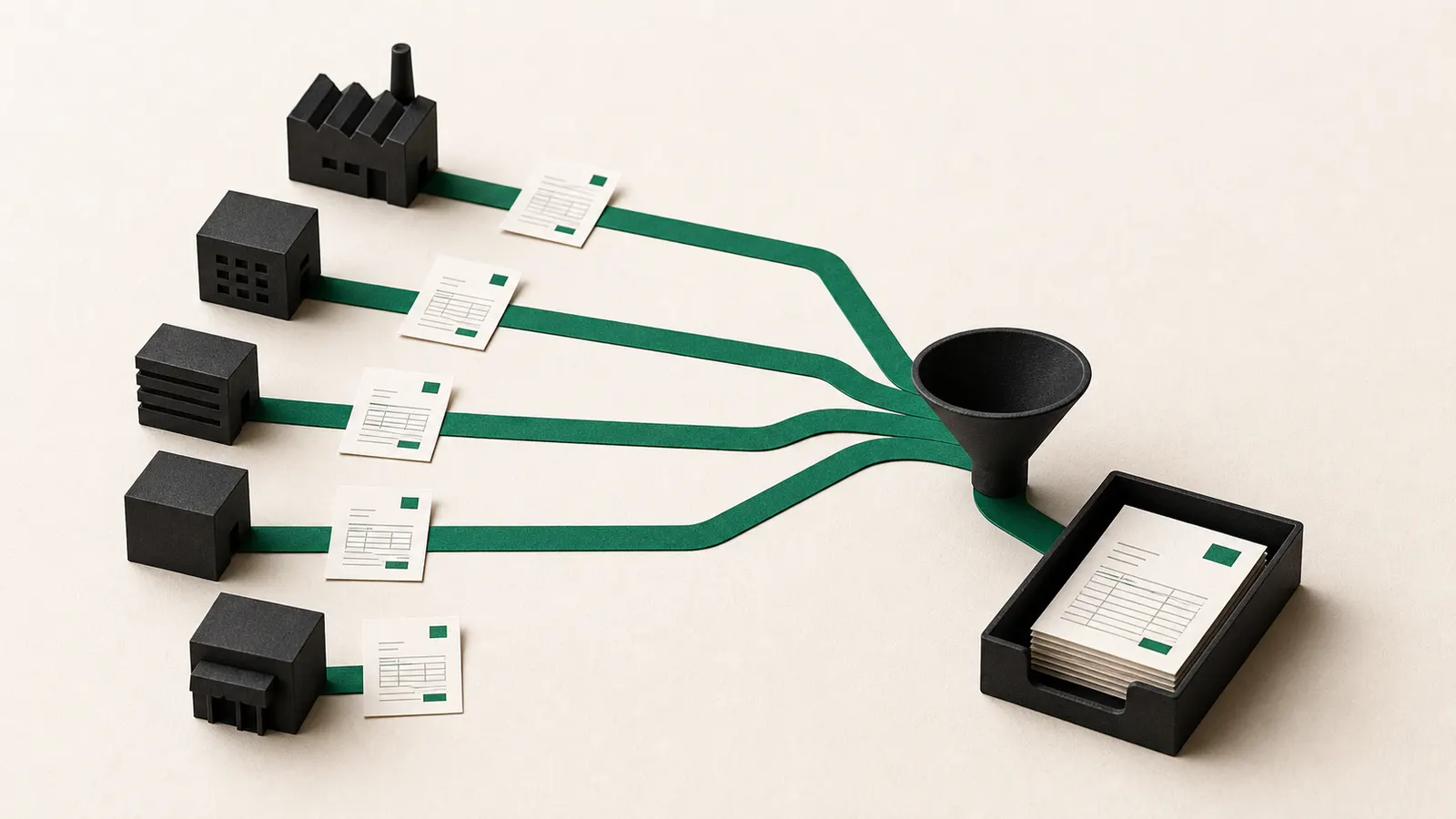
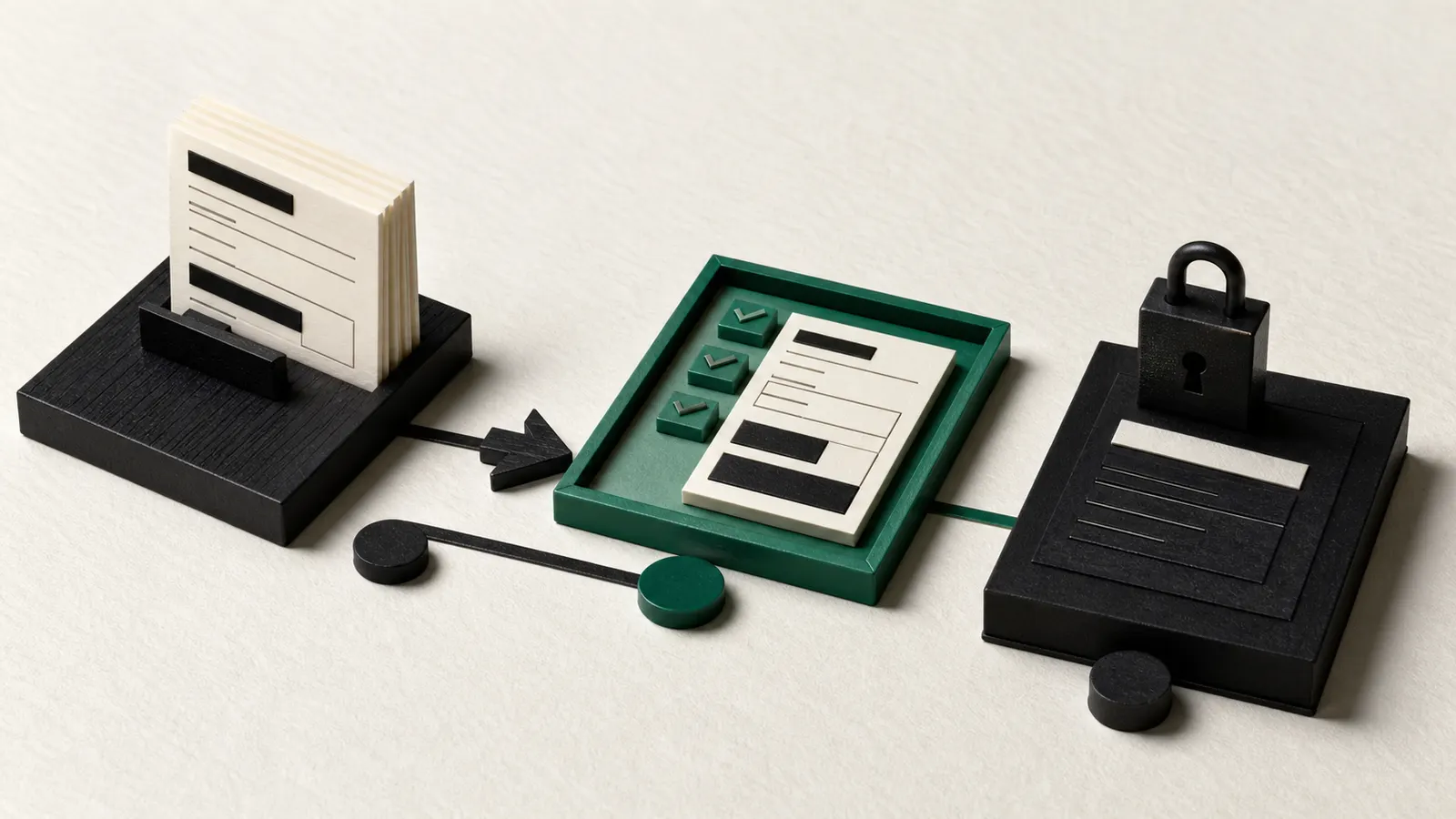
B2B E-commerce Trends: More Autonomous Order Operations
Automation and assistive AI are changing B2B order operations. Here are the practical shifts worth watching.
PO2Order product team
Product notes and operational guides
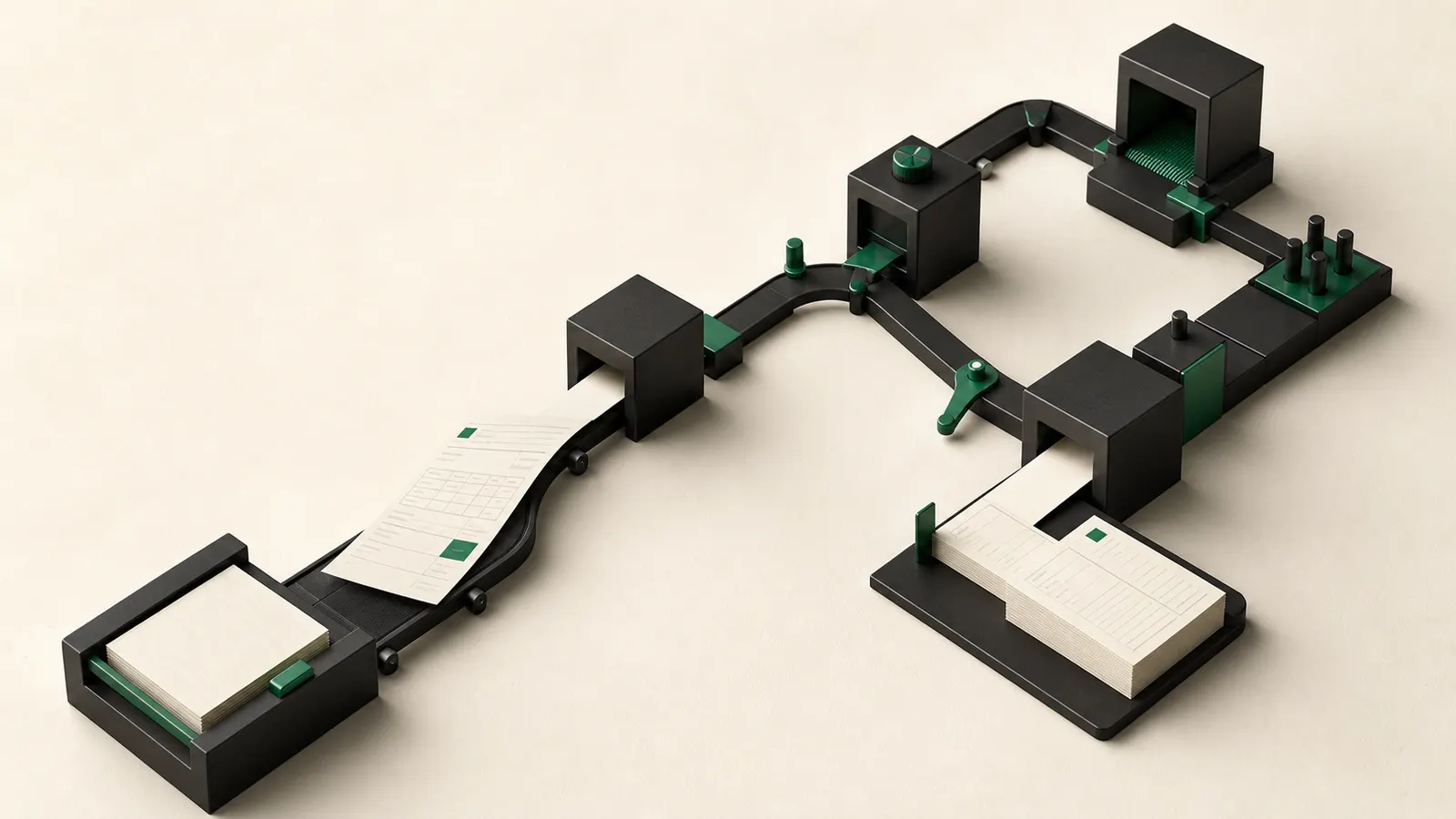
For years, B2B e-commerce trailed behind its B2C counterpart. While consumers enjoyed one-click ordering and same-day delivery, B2B buyers were stuck faxing order forms and waiting 48 hours for an order confirmation.
That gap is closing. B2B teams are steadily moving toward more connected, automated order operations.
Trend 1: The Demand for “Amazon-like” B2B
Millennials and Gen Z now make up the majority of professional B2B buyers. They don’t want to call a sales rep to place an order. They want:
- Real-time inventory visibility.
- Customer-specific pricing (automatically applied).
- Self-service portals.
- Instant order confirmation.
If your ordering process involves “emailing a PDF and waiting,” you are actively introducing friction that your younger buyers despise.
Trend 2: Agentic Commerce & AI
One emerging idea is “agentic AI”—software designed to take bounded actions, not just produce text.
In the context of order processing, this means moving beyond OCR (Optical Character Recognition) that just reads text, to AI Agents that understand context.
- Old Way: A human reads a PO, checks if the item is in stock, emails the client about a substitute, waits for a reply, and updates the order.
- New Way: An AI Agent reads the PO, checks the inventory, auto-drafts the order, flags the out-of-stock item, suggests the pre-approved substitute based on contract history, and presents the final draft for a single human click of approval.
Trend 3: The Death of Manual Keying
Data entry is becoming a relic. With the rise of specialized extraction tools, manually keying order data is being viewed not as “work” but as “waste.”
Smart businesses are implementing “Zero-Touch” order cycles for their repeat customers. When a standard replenishment PO comes in from a trusted partner, it should flow from email -> extraction -> validated order -> ERP without a human ever needing to open the file.
How to Prepare
The “Self-Driving” supply chain isn’t about replacing humans; it’s about elevating them. It’s about freeing your operations team from the drudgery of data entry so they can manage exceptions, handle complex logistics, and serve customers.
The useful goal is not hands-off automation at any cost. It is a workflow that removes repetitive work while keeping people in control of exceptions and approvals.